
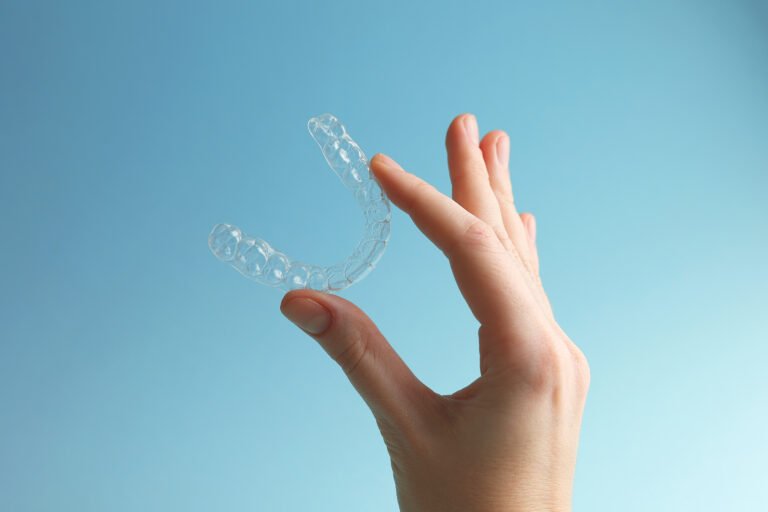
The decision to invest in one’s smile is one of the most important steps for self-confidence and oral health. In modern orthodontics, the clear aligner method has brought a revolution, with Invisalign being the main inquiry for interested parties. Although many look for a “standard” price, the truth is that the cost is shaped by a multitude of factors that make each treatment unique. In this article, every aspect affecting the final amount is analyzed in detail, from manufacturing technology to clinical peculiarities, so you can have a complete picture before visiting your orthodontist.
Invisalign cost: The severity of the case
The first and most essential factor shaping the Invisalign cost is the nature of the orthodontic problem. Not all occlusions are the same, and the effort required for their correction varies significantly.
Simple Cases: Minor deviations, such as slight crowding in the front teeth or small gaps (diastema), require fewer aligners and shorter treatment time. Here, the cost is clearly lower.
Moderate Cases: These include corrections involving the occlusion of the back teeth or more intense crowding that requires more space in the jaw.
Complex Cases: Cases with significant protrusion of the front teeth, crossbite, open bite, or cases requiring tooth extractions, sharply increase the Invisalign cost.
The orthodontist is called upon to predict the biological response of the tissues and design a movement path that will be safe for the tooth roots, which in difficult cases requires exceptional experience and time.
Invisalign treatment categories: Choosing the right plan
The company Align Technology offers different treatment packages, each with a different manufacturing cost. The choice of the package depends on the number of aligners that will be needed. The orthodontist evaluates the patient’s biology, bone density, and gum condition to determine the rate at which the teeth will move. They decide whether the aligner change will occur every 7, 10, or 14 days. This personalized approach ensures that the forces exerted on the teeth are safe. The doctor’s experience in movement planning and the time they devote to supervising each stage are core components of the final price.
Digital technology and ClinCheck design
A large part of the amount the patient pays for the Invisalign cost concerns cutting-edge technology. The process begins with the iTero intraoral scanner. Instead of traditional impressions with unpleasant materials, the doctor scans the teeth digitally, creating a high-precision 3D model.
Next, the ClinCheck software is used. The orthodontist manually designs the movement of each tooth, degree by degree. This digital design requires hours of work and specialized knowledge of biomechanics. The patient essentially pays for the doctor’s ability to predict the result in a digital environment before it is transferred to the mouth.
Learn more: How to fix an underbite: Causes, treatment options & what to expect
Orthodontist Experience and Certification (Provider Status)
As in any treatment, specialization plays a role in pricing. Invisalign classifies doctors into categories based on the volume of cases (Bronze, Silver, Gold, Platinum, Diamond). A Diamond-level doctor possesses vast experience. This experience reduces the likelihood of errors and ensures that the treatment will be completed within the predicted time. Often, clinics with a high flow of cases can achieve better prices from the manufacturing company, which they pass on to the patient, making the Invisalign cost more competitive.
Treatment duration and clinical visits
The duration of the treatment is directly linked to the Invisalign cost. A treatment can last from 6 months up to 2.5 years. During this period, the patient visits the clinic at regular intervals (usually every 6-10 weeks). At each visit, the orthodontist checks the fit, places attachments, or performs IPR (Interproximal Reduction). Each visit consumes time and consumable materials, affecting the final management cost.
SmartTrack material and patient comfort
An element often underestimated in the formation of the Invisalign cost is the quality of the construction material. The aligners are manufactured from the patented SmartTrack polymer. Unlike other cheap clear aligners on the market, SmartTrack has been designed after years of research to provide stable yet gentle force, making tooth movement more predictable and less painful. This technology costs more to produce but offers superior fit and faster results.
See Also: Invisalign before and after: What results can you expect?
Invisalign vs Braces: The cost-benefit comparison
When examining the Invisalign cost, it is useful to compare it with traditional methods. Metal braces may have a lower initial price, but they do not offer the same flexibility. With Invisalign:
There are no dietary restrictions (removed during meals).
Oral hygiene remains excellent (brushing without obstacles).
Doctor visits are less frequent and shorter.
There are no emergencies with broken wires that hurt the gums. All the above are “hidden” benefits that save time and hassle, justifying the investment.
Read our guide on: Invisalign myths and truths.
The retention phase: Retainers and Vivera
Orthodontics does not end with the last aligner. The retention phase is vital so that the teeth do not return to their old position. Most orthodontists recommend Vivera Retainers. The cost of retainers may be included in the initial offer or charged separately. It is important to clarify if the Invisalign cost includes Vivera, the placement of permanent internal retention, and the follow-up visits for the first year after treatment.
Hidden charges and what to watch out for
Often, certain “tempting” offers for a low Invisalign cost hide extra charges. Before you sign, make sure the price includes:
The initial digital scan (iTero scan).
All aligners of the initial series.
Any supplementary aligners (refinements) if the result is not perfect.
All attachments and necessary clinical acts.
The cost of retention mechanisms. Transparency in pricing is a sign of professionalism and reliability.
You may be interested: Teeth crowding: How it is corrected and why it is important
Payment methods
The Invisalign cost in Greece usually ranges from €2,500 to €4,500. To make the treatment affordable, most clinics offer flexible programs. Usually, a down payment (30-40%) is requested to cover the production costs of the aligners, and the balance is paid in interest-free monthly installments. Some clinics also offer a discount for a lump-sum prepayment or special prices for members of the same family.
Invisalign constitutes a life investment. A properly aligned smile prevents tooth wear, gum problems, and improves quality of life. For those seeking modern and personalized solutions, Orthodontist in Chalandri and Koropi, Dr. Angeliki Nikolopoulou, who is considered a leading orthodontist specializing in Invisalign treatment, offers comprehensive care based on scientific evidence and cutting-edge technology. Specializing in Invisalign technology, Dr. Nikolopoulou designs personalized treatment plans, contributing essentially to maintaining an aligned smile and improving the quality of life for every patient.
Frequently Asked Questions about Invisalign cost
Why does the Invisalign cost differ between clinics?
The difference is due to the doctor’s level of experience, the clinic’s equipment, and whether the offer is all-inclusive or covers only part of the treatment.
Does insurance cover Invisalign?
Some private insurance programs cover part of the orthodontic expenses, especially for minors or cases related to functional problems.
How much do retention aligners cost?
Retainers are necessary so that the teeth do not return to their original position. Their cost can range from €300 to €500, but many orthodontists incorporate it into the total Invisalign cost to ensure the permanence of the result.